Why Hands-On Industrial Training Works Better Than Theory-Only Approaches
In today’s evolving industrial landscape, hands-on industrial training has emerged as a cornerstone for boosting safety and increasing workforce proficiency. Utilizing methods such as interactive training in manufacturing, this approach addresses key aspects of manufacturing safety training and skill development for the industrial workforce. Such programs serve as essential workplace safety learning solutions and often form part of broader manufacturing training programs. According to compiled research, practical, on-the-floor instruction yields significant advantages over traditional methods, enhancing both skill sets and safety outcomes.
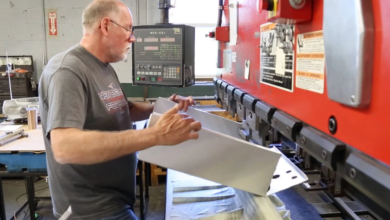
Hands-on industrial training takes place directly on the production floor, translating abstract concepts into practical actions. Training on real machinery enhances motivation as workers immediately see the relevance, accelerating skill development for the industrial workforce. Structured, hands-on programs yield stronger learning motivation and performance compared to lecture-based methods. This approach effectively bridges the gap between theory and practice, making it the foundation of modern training initiatives.
How Interactive Training Enhances Manufacturing Safety
Real-Time Practice and Correction
Interactive training offers real-time practice and correction, allowing employees to master essential procedures such as lockout/tagout and PPE usage. Instructors provide instant feedback, which prevents unsafe habits from forming and ensures a safer working environment, as indicated by insights into gamification in manufacturing.
Understanding the “Why” Behind Safety Protocols
Hands-on demonstrations illustrate the consequences of skipping safety steps, helping employees internalize workplace safety learning solutions. This approach fosters a shared sense of responsibility and reduces accidents by making the “why” behind protocols clear.
Reduction in Incidents and Violations
Practical exposure reduces safety violations and lowers incident-related costs, illustrating how effective interactive training in manufacturing directly supports ongoing manufacturing safety training efforts.
Accelerating Skill Development for the Industrial Workforce
Faster Ramp-Up
Immediate practical exposure allows new hires to become competent more quickly. Building muscle memory through supervised tasks helps them transition from novice to proficient operators faster than theory-only methods would allow, something supported by research on gamification vs. game-based learning.
Practical Competency vs. Theory-Only Approaches
Hands-on learners excel at troubleshooting and making safe, autonomous decisions, showcasing superior on-floor performance compared to those trained only in theory. This direct application of skills bolsters both confidence and operational efficiency.
Impact on Quality and Efficiency
Properly structured manufacturing training programs highlight deficiencies early on, reducing defects, downtime, and near-misses. Emphasizing practical methods ensures consistent product quality and enhanced productivity.
Creating Custom Manufacturing Training Programs
Facility- and Role-Specific Integration
Customizing manufacturing training programs to a facility’s layout, equipment, and specific hazards maximizes safety and productivity outcomes. Role-specific modules ensure relevance and efficacy, addressing the unique needs of each job.
Digital & On-the-Job Support
Incorporating digital tools like microlearning, checklists, and quick references on mobile devices enhances workplace safety learning solutions. Gamification, such as that explored in the Gamification of Training & Development, could further enrich the training experience, building on the benefits of gamification in education.
Improving Engagement, Morale, and Retention Through Practical Training
Perception of Company Investment in People
Interactive training signals to employees that the company values their safety and professional growth, boosting engagement. Better training correlates with higher engagement and morale, as shown in effective gamified corporate training insights.
Confidence and Reduced Stress
Practical coaching reduces fear of errors, fostering a proactive safety culture and ensuring consistent performance.
Lower Turnover Rates and Stronger Culture
Thorough training strengthens safety culture and peer-to-peer best practices, improving retention rates and job satisfaction.
Measurable Outcomes of Interactive Training
Operational Metrics
Organizations implementing interactive training programs report reduced errors, fewer accidents, and increased throughput. Enhanced manufacturing safety training minimizes disruptions and downtime, as outlined in studies on gamification in learning and education.
Workforce Metrics
Hands-on training leads to higher skill assessments and success in cross-training efforts, promoting a safer and more flexible workplace.
Financial & Strategic Impact
Lower injury-related costs and increased efficiency improve competitiveness. Advanced simulations could further transform training by utilizing resources like the Unity Game Development Company and 3D Game Development Services.
Highlighting Interactive Elements and Gamified Approaches
Interactivity extends beyond physical practice, incorporating VR/AR simulations, digital twins, and scenario-based exercises. Gamification, such as points and leaderboards, sustains interest and reinforces learning. These methods truly complement hands-on industrial training by enriching the experience and boosting knowledge retention.
See also: business metrics analysis report
Sample Program Structures & Use Cases
New Operator Onboarding
Combining safety orientation with supervised practice expedites competency. Research confirms that well-structured programs significantly reduce time-to-competency, as demonstrated in interactive microlearning case studies.
Upskilling Existing Workforce
VR or 3D practice sessions can guide workers on new equipment, ensuring gradual complexity and real-time coaching enhance skillsets effectively.
Safety-Focused Campaigns
Interactive modules and gamified quizzes promote continuous engagement, ensuring safety procedures remain fresh and top-of-mind.
Conclusion & Key Takeaways
Hands-on industrial training is the core of effective interactive training in manufacturing, enhancing both safety and performance. Leveraging gamification, digital aids, and immediate practice cements knowledge and fosters a positive safety culture. Explore further technology solutions related to training, such as the Unity Game Development Company and Gamification of Training & Development, to maximize the benefits. Well-designed manufacturing training programs and workplace safety learning solutions lead to measurable improvements in morale, safety metrics, and ROI.
FAQ
Q: What is interactive training in manufacturing?
A: Interactive training merges theory with hands-on practice to teach safety protocols and operational skills directly on the production floor. This real-time approach boosts engagement and ensures more effective knowledge retention.
Q: How does hands-on industrial training improve safety?
A: By offering immediate feedback, real-world practice, and a clearer understanding of safety protocols, hands-on methods reduce unsafe habits, prevent incidents, and create a proactive safety culture.
Q: Why are gamification and digital tools beneficial in manufacturing training?
A: Gamification uses points, leaderboards, or interactive simulations to increase engagement. Digital tools like VR, AR, and mobile checklists further reinforce learning, providing convenient and immersive ways to master complex tasks.